Amsterdam 2026: The Green Shift
GroenLinks takes the lead, parties multiply, but minority representation stays steady at 36%.
Data: CLEO / CBS / Kiesraad / OpenStreetMap
Amsterdam 2026: 45 Seats, 35 Parties
On March 18, 2026, Amsterdam returned to the polls. Turnout rose, the field expanded to 35 parties, and the political map shifted. The map shows the strongest party by neighborhood — hover over any area to see details.
Amsterdam again elects 45 seats from a single citywide district using a flexible list system. Here are the results:
| Party | Seats | Vote % |
|---|---|---|
| GL | 10 | 18% |
| D66 | 8 | 16% |
| PvdA | 7 | 14% |
| VVD | 6 | 11% |
| PvdD | 3 | 6% |
| BIJ1 | 2 | 4% |
| DENK | 2 | 5% |
| JA21 | 2 | 5% |
| Volt | 2 | 5% |
| CDA | 1 | 3% |
| FvD | 1 | 3% |
| SP | 1 | 3% |
The Jordaan goes Green
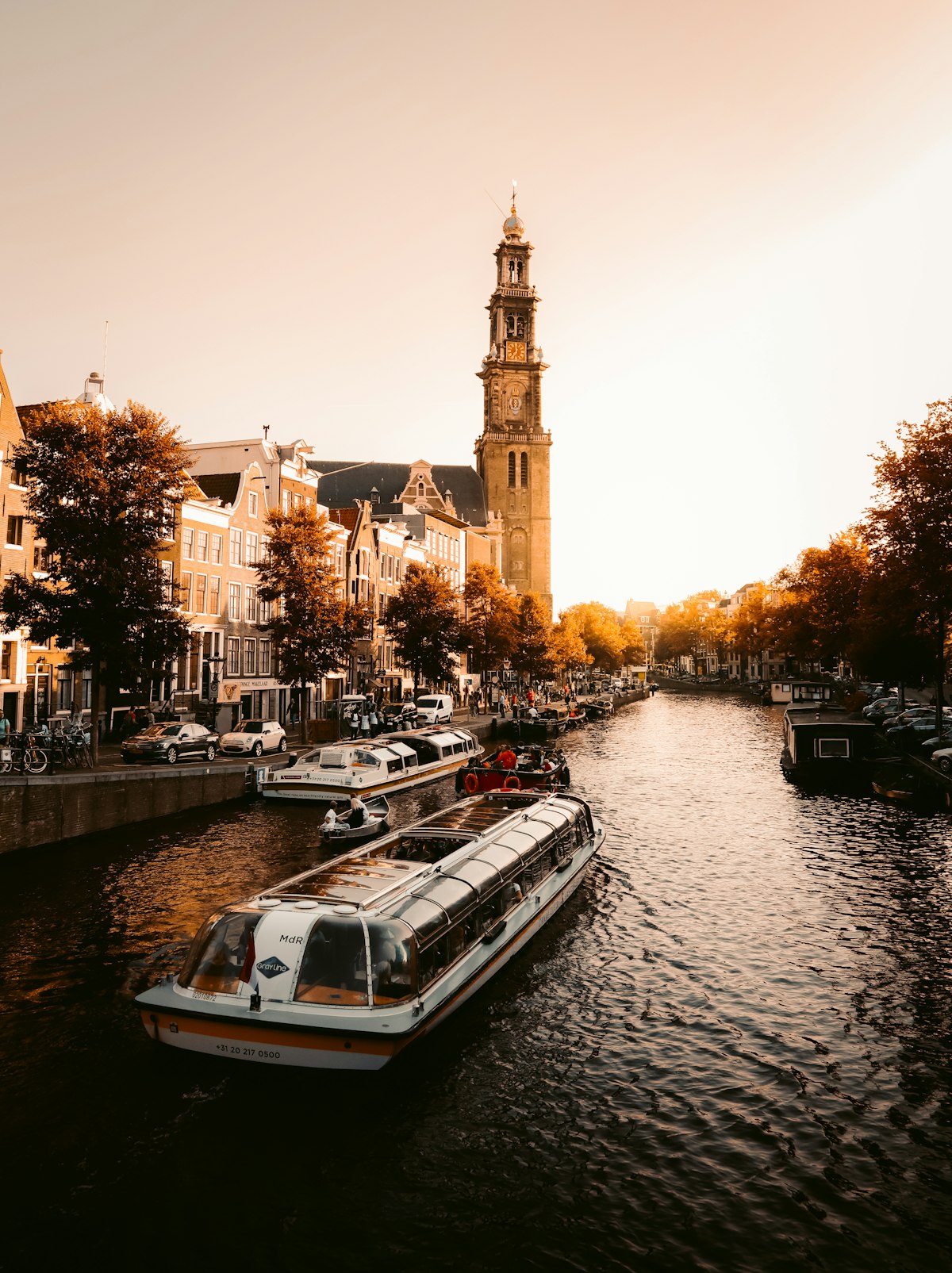
The map now shows GroenLinks vote share. In 2022 PvdA narrowly led the Jordaan. In 2026, GL has pulled ahead across the canal ring and inner-west, cementing its position as the dominant progressive force in Amsterdam's most gentrified neighborhoods.
The brown cafes haven't changed. Café 't Smalle still pours, Winkel 43 still bakes. But the Jordaan's vote has shifted: from Labour's post-war welfare state to GroenLinks' green urbanism.
Nieuw-West: DENK holds firm
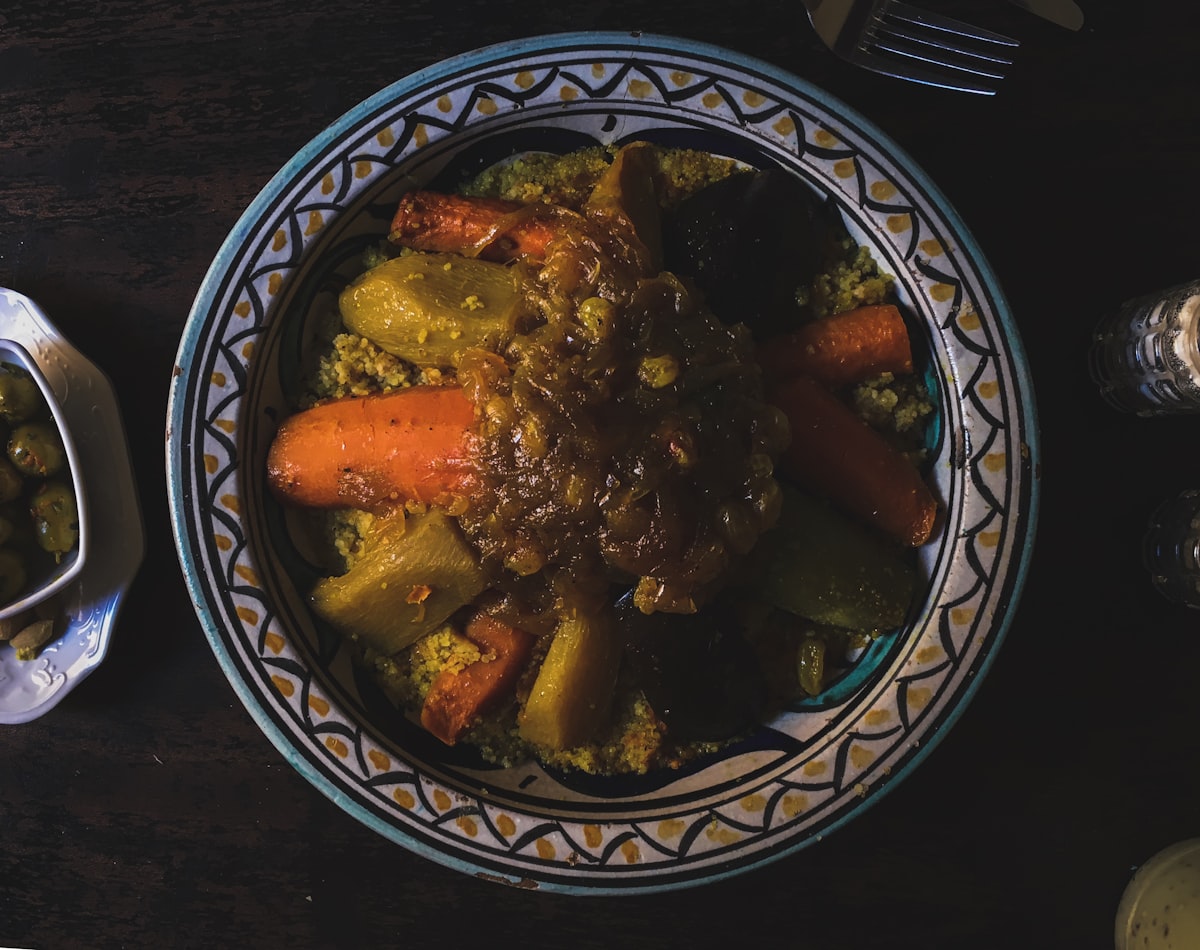
DENK keeps its 2 seats and its geographic stronghold in Nieuw-West. Citywide its vote share rose from 4% to 5%, even as 10 new parties entered the race. In Osdorp and Overtoomse Veld, DENK still captures over 25% of the vote.
The halal butchers and tea houses along August Allebéplein haven't moved. Neither has the voting pattern: where the Moroccan and Turkish communities are concentrated, DENK's message of migrant representation continues to resonate.
The Bijlmer: BIJ1 loses ground
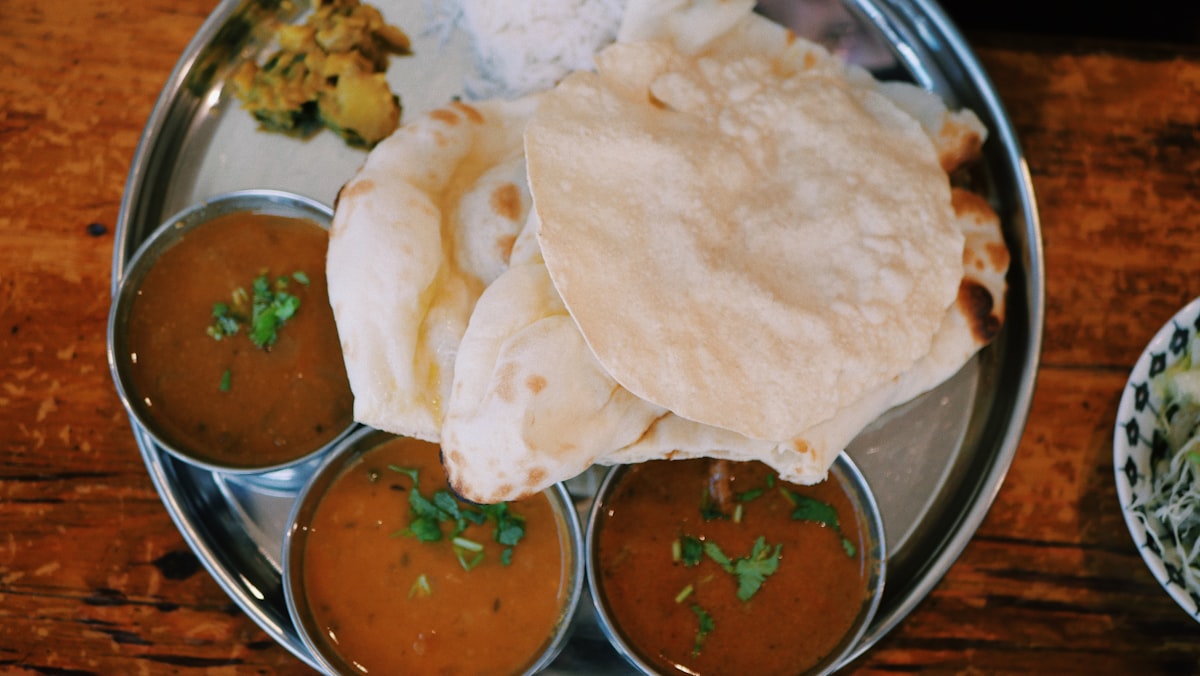
BIJ1 drops from 3 to 2 seats. The party that made history by putting anti-racism at the center of Dutch politics is losing traction in its own heartland, as PvdA reasserts itself across Zuidoost.
The Kwaku Festival still draws 300,000 visitors. Roopram Roti is still packed at lunch. But the Bijlmer's vote in 2026 suggests that for many Surinamese and Antillean voters, Labour's broader coalition holds more promise than BIJ1's insurgent platform.

Red Light Groen Light
In 2022, De Wallen was a political free-for-all — no party above 20%, PvdA barely ahead. By 2026, GL has surged to 23% in Burgwallen Oost, and the map shows green spreading across Amsterdam's oldest streets.
The coffeeshops and the Oude Kerk haven't moved. But the voters who remain in this tiny residential enclave — young, educated, environmentally conscious — are shifting green. Even in the Red Light District, the GroenLinks wave reached shore.
The space cake brownie remains De Wallen's most exported culinary product. The political recipe is shifting from fragmentation to a green tinge — but with an ENP still near 9, everyone still gets a taste.
What's changed?
Between 2022 and 2026, the biggest shift was at the top: GL overtook PvdA as the largest party, gaining 2 seats while Labour lost 2. VVD quietly gained a seat. BIJ1 and SP each lost one.
| Party | 2022 | 2026 | +/- |
|---|---|---|---|
| GL | 8 | 10 | +2 |
| D66 | 7 | 8 | +1 |
| VVD | 5 | 6 | +1 |
| PvdA | 9 | 7 | -2 |
| BIJ1 | 3 | 2 | -1 |
| SP | 2 | 1 | -1 |
| PvdD | 3 | 3 | — |
| DENK | 2 | 2 | — |
| JA21 | 2 | 2 | — |
| Volt | 2 | 2 | — |
Yet the share of non-Western members on the council stayed frozen at 36%— exactly 16 out of 45 seats, the same as 2022. The recipe changed (more GL and D66, less PvdA), but the proportional outcome for minority representation didn't. That's the system working as designed: in a 45-seat citywide PR district, demographic proportionality is remarkably stable even when party fortunes swing.
One city, a mosaic of peoples
Amsterdam's city-wide district is proof that electoral boundaries are not a prerequisite for local representation. Place matters. A variety of ethnic groups, many geographically anchored in historic communities, are represented by a variety of parties competing for their votes.
| All | Non-W | Western | ||||
|---|---|---|---|---|---|---|
| '22 | '26 | '22 | '26 | '22 | '26 | |
| ENP (votes) | 9.9 | 9.5 | 5.5 | 5.6 | 7.8 | 7.5 |
| ENP (seats) | 7.9 | 7.3 | 5.3 | 5.1 | 7.9 | 7.1 |
| Seats | 45 | 45 | 16 | 16 | 29 | 29 |
Despite 10 more parties on the ballot, effective competition actually declined— GroenLinks consolidated the progressive vote. Non-Western members hold the same 16 seats as 2022, but their ENP tightened from 5.3 to 5.1: fewer parties carrying minority representation. For Western members the drop was steeper, from 7.9 to 7.1. The table stays the same size. The recipe concentrates.